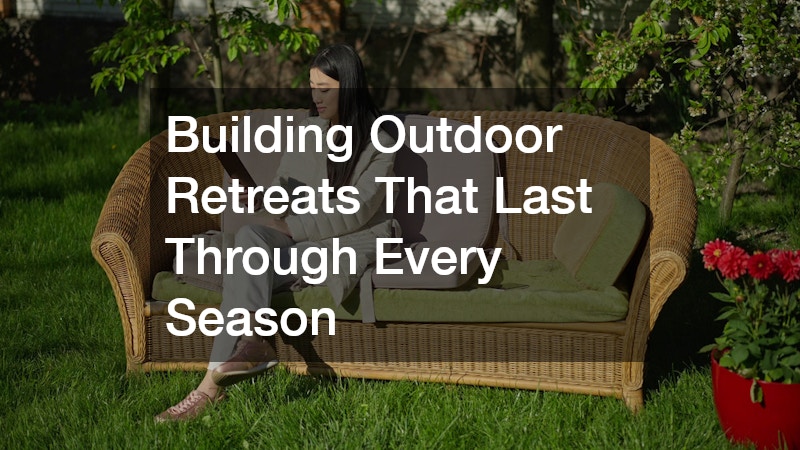
A backyard retreat should feel like an escape no matter what the calendar says, whether that means a shaded lounge in July or a cozy fire pit gathering in January. Too many outdoor spaces are designed for a single season and start looking worn, unsafe, or unusable once the weather shifts. Building something that truly lasts means thinking beyond aesthetics and planning for drainage, structure, safety, and upkeep from day one. This guide walks homeowners through the practical decisions that keep an outdoor space comfortable and functional in every season.
Choosing the Right Ground Surface
The surface underneath your outdoor retreat matters just as much as the furniture or landscaping on top of it. A weak or poorly graded base will crack, pool water, or shift with freeze-thaw cycles, undermining everything built above it. Homeowners often overlook how much the driveway, walkway, or parking area near a retreat contributes to the overall experience and longevity of the space.
For driveways and connecting paths, blacktop paving remains a popular choice because it holds up well to temperature swings and heavy use when installed correctly. It also drains efficiently when graded properly, which reduces the risk of standing water seeping into nearby structures. Before committing to any surface, ask about base preparation, drainage slope, and expected lifespan in your specific climate.
- Confirm the base layer is compacted properly before any surface is applied
- Ask about drainage slope to prevent pooling near seating areas
- Request a maintenance schedule for sealing and crack repair
- Compare lifespan expectations for different paving materials in your climate
Designing Comfortable Outdoor Living Zones

A retreat that only works in warm, dry weather isn’t really a retreat, it’s a fair-weather feature. Thoughtful layout choices, like covered seating areas and wind-blocking structures, extend usability into cooler and wetter months. The goal is to create zones that feel intentional rather than an afterthought tacked onto the yard.
Start with the roof line. A pergola with a retractable canopy, a solid-roofed pavilion, or even a simple gazebo can turn a rain-soaked afternoon into a cozy gathering instead of a cancelled one. Positioning these structures to block prevailing winds, often by pairing them with a low wall, dense hedge, or louvered privacy screen, cuts down on the chill factor far more than most homeowners expect.
Layering matters just as much as structure. Adding a fire feature, whether a built-in fire pit or a freestanding heater, keeps a space usable well into the shoulder seasons, while durable outdoor rugs and weather-rated cushions make the area feel finished rather than provisional. Grouping seating into smaller conversation clusters, rather than one large open arrangement, also helps a space feel warm and usable even when only a few people are using it.
Finally, think about sightlines and flow. Zones placed near the home’s exterior doors get used far more often than those tucked at the back of the yard, simply because the walk to reach them is shorter in bad weather. Designing with that everyday convenience in mind is often what separates a retreat people actually use year-round from one that only gets photographed in June.
Backyard patios designed with proper drainage, durable materials, and some form of overhead cover tend to get used far more often throughout the year than open, exposed slabs. A slope of about 1/4 inch per foot away from the house prevents standing water, while materials like natural stone, porcelain pavers, or stamped concrete hold up better against freeze-thaw cycles than lower-grade options. Overhead structures—whether a pergola, retractable awning, or solid roof—can make the difference between a space that’s usable a few weekends a year and one that gets daily use.
Adding features like a fire pit, outdoor heater, or partial enclosure can stretch the usable season by months. A wood-burning or gas fire pit paired with built-in seating creates a natural gathering point on cool evenings, while infrared patio heaters can add another 15-20 degrees of comfort on chilly nights. Partial enclosures, such as glass panels or retractable screens, also help block wind without sacrificing the open-air feel that makes these spaces appealing in the first place.
Homeowners should think about sun exposure, prevailing winds, and sightlines from the house when finalizing the layout. A patio facing west, for instance, may need extra shade to stay comfortable during summer afternoons, while one positioned to catch morning sun can extend its use into cooler months. Considering how the space looks and functions from the kitchen or living room windows also helps ensure the retreat feels like a genuine extension of the home rather than an afterthought.
- Position seating away from prevailing wind paths where possible, using hedges, fences, or screens as buffers when natural shelter is scarce
- Include at least partial cover for rain and intense sun, such as pergolas, retractable awnings, or umbrellas rated for wind gusts
- Choose furniture materials rated for outdoor humidity and temperature swings, like teak, powder-coated aluminum, or resin wicker over untreated wood
- Plan lighting and heat sources early rather than adding them later, mapping outlets and gas lines before hardscaping begins
- Consider layered lighting: ambient string lights for atmosphere, task lighting near seating for reading or dining, and path lights for safety
- Select heaters suited to the space’s size and airflow, such as patio heaters for open areas or fire pits for gathering-focused zones
Roofing Structures for Sheds, Gazebos, and Covered Areas

Many outdoor retreats include a covered structure, whether it’s a small shed, a gazebo, or a pergola with a solid roof. These structures face the same weather stress as a home’s main roof, just on a smaller scale, and neglecting them leads to leaks, rot, and structural failure over time. It’s worth treating these additions with the same seriousness as any other roofed structure on the property.
Material choice matters more than most homeowners expect. Asphalt shingles work fine on sheds but can look out of place on a gazebo meant to be a visual centerpiece, where cedar shakes, standing-seam metal, or polycarbonate panels often blend better with the surrounding landscape. Metal roofing, in particular, holds up well against heavy snow loads and sheds rain quickly, making it a smart pick for regions with harsh winters.
Slope and drainage deserve just as much attention as the roofing material itself. A roof pitch below 3:12 invites water pooling and ice damming, so even small structures need a minimum slope to keep moisture moving off the surface. Gutters or simple drip edges, though easy to overlook on a 10×10 shed, prevent water from cascading down and eroding the foundation or nearby plantings.
Ventilation is another detail that’s easy to skip on smaller builds but shouldn’t be. Trapped heat and moisture under a solid roof can warp wood decking or rot rafters within a few seasons, especially in humid climates. A small ridge vent or gable vents on a shed cost little to add during construction but save significant repair expense later.
Hiring a qualified roofer for these smaller structures ensures proper flashing, ventilation, and material choices suited to the local climate. Even a gazebo or garden shed roof needs the same careful attention to detail as a house, since poor workmanship on a small scale still leads to rot, mold, and structural damage over time. A rushed roof installation might save money upfront but often results in leaks within a few seasons, especially in areas with heavy snow or rain.
Slope matters more than most homeowners realize. A roof pitch below 3:12 can trap water and debris, while steeper slopes shed snow more effectively but may require reinforced framing to handle the added stress. A professional roofer will calculate the right pitch based on regional weather patterns, structure size, and the weight of the chosen roofing material.
Material selection is another area where expertise pays off. Asphalt shingles work well for budget-conscious projects, metal panels offer decades of durability and better snow shedding, and cedar shakes provide a natural look but demand more maintenance in humid climates. Underlayment quality also matters, since a synthetic or self-adhering ice-and-water barrier can mean the difference between a dry interior and a moldy one after a harsh winter.
Getting professional input on slope, underlayment, and shingle or panel type pays off in fewer repairs down the road, often saving hundreds of dollars in emergency fixes over the structure’s lifespan.
- Match roofing material to the structure’s slope and intended use — asphalt shingles need at least a 4:12 pitch, while metal panels or rubber membrane work well on low-slope gazebos and lean-tos
- Ensure proper flashing where the roof meets any walls or supports, especially around chimneys, skylights, or dormers, since this is the most common spot for leaks to start
- Ask about ventilation to prevent moisture buildup underneath — ridge vents or small gable vents help extend the life of both the roof deck and any stored items below
- Confirm the underlayment type (felt vs. synthetic) matches your climate, particularly in areas with heavy snow or wind-driven rain
- Get a written estimate that separates labor and material costs, and ask whether cleanup and disposal of old materials are included
- Check warranty terms for both the materials and the contractor’s workmanship, as these often differ in length and coverage
Fire Safety Around Outdoor Fireplaces and Heaters
Fire features add warmth and ambiance, but they also introduce fire and air quality risks that shouldn’t be ignored. Outdoor fireplaces, especially those connected to a chimney or flue system, need regular attention to stay safe. A blocked or damaged flue can allow smoke and carbon monoxide to build up in unexpected ways, even outdoors.
Scheduling a chimney inspection before each heavy-use season helps catch creosote buildup, cracks, or animal nests before they become a hazard. This is especially important for retreats used frequently in fall and winter when fires burn longer and more often. A quick inspection is a small investment compared to the cost of fire damage or health issues from poor ventilation.
- Inspect for creosote buildup at least once a year
- Check for cracks or gaps in mortar and flashing around the chimney
- Clear any debris or nests that may have accumulated during the off-season
- Keep a fire extinguisher accessible near any fire feature
Powering Your Retreat Safely
Lighting, heaters, sound systems, and even hot tubs all require reliable electrical access, and running extension cords across a yard is neither safe nor durable long-term. Outdoor electrical work has different requirements than indoor wiring, including weatherproof outlets and proper grounding. This is not an area where shortcuts should be taken, especially in spaces that see rain, snow, or high humidity.
Bringing in a licensed electrician service to install dedicated outdoor circuits ensures everything is up to code and rated for exposure to the elements. This also opens up options like low-voltage landscape lighting, which can make a retreat usable well after sunset without a major spike in energy costs. Planning electrical needs early in the design process avoids costly rework later.
- Use outlets rated for outdoor and wet-location use
- Install GFCI protection on all exterior circuits
- Plan lighting paths for safety along walkways and steps
- Consider future needs like hot tubs or outdoor kitchens before finalizing wiring
Defining Boundaries and Privacy
A retreat feels more like an escape when it has clear boundaries separating it from the rest of the property or neighboring yards. Privacy also encourages more use, since people tend to relax more when they’re not fully exposed to street view or neighboring windows. Structural boundaries can also help manage pets, children, and unwanted wildlife.
Well-built fencing and gates do more than mark a property line, they can double as wind blocks, privacy screens, and design features that tie the whole retreat together. Material choice matters here too, since wood, vinyl, and metal all respond differently to moisture, sun exposure, and temperature swings. A gate that sticks or a fence panel that warps after one winter is a sign of poor material selection or installation.
- Choose fencing materials rated for your local humidity and temperature range
- Add a gate latch that works well even after wood swells or metal contracts
- Consider height and spacing for both privacy and airflow
- Factor in maintenance needs like staining or sealing on a regular schedule
Managing Trees and Overhead Hazards
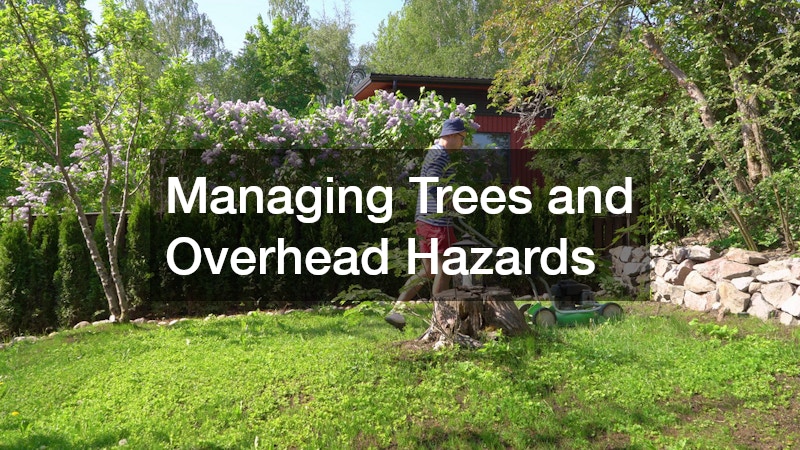
Trees add shade, beauty, and privacy to an outdoor retreat, but they also come with risks if not properly maintained. Overhanging branches can damage roofs, patios, and fencing during storms, and root systems can interfere with paved surfaces over time. A retreat surrounded by unmanaged trees is vulnerable to damage every time severe weather rolls through.
Regular tree removal of dead or diseased limbs reduces the risk of falling branches damaging structures or injuring anyone using the space. For larger jobs, especially trees close to the house or power lines, hiring a local tree removal crew familiar with regional soil and species is safer than attempting it yourself. Professionals can also advise on which trees are worth saving versus which pose an ongoing risk.
- Inspect trees for dead limbs or disease signs each spring and fall
- Keep branches trimmed back from roof lines and power lines
- Watch for roots lifting nearby patios or walkways
- Get a professional opinion before removing large or mature trees
Seasonal Cleaning That Prevents Long-Term Damage
Dirt, algae, and mildew build up quickly on outdoor surfaces, especially in humid or rainy climates, and left unchecked they can cause permanent staining or even structural wear. Regular cleaning isn’t just about appearance, it also protects the materials underneath from degrading faster than they should. This is one of the simplest ways to extend the life of a retreat without major investment.
Scheduling powerwashing for patios, decking, fencing, and siding once or twice a year removes buildup before it becomes embedded in the material. This is particularly useful before sealing or staining projects, since a clean surface allows sealants to adhere properly and last longer. Skipping this step often means redoing finishing work sooner than expected.
- Clean surfaces before applying any sealant or stain
- Pay attention to shaded, damp areas where mildew grows fastest
- Use appropriate pressure settings for delicate materials like wood
- Schedule cleaning ahead of high-use seasons for the best results
Planning for Long-Term Durability

The most successful outdoor retreats are the ones planned with the full year in mind rather than just the peak season. That means considering drainage, material durability, structural safety, and maintenance schedules together rather than as separate afterthoughts. A little extra planning at the start saves significant time and money in repairs later.
Drainage deserves special attention, since standing water is one of the fastest ways to rot decking, undermine foundations, and turn pathways into hazards. Grading the site with a slight slope, adding gravel beds or French drains in low spots, and choosing permeable materials like decomposed granite can prevent costly water damage before it starts.
Material choices should also be matched to your climate rather than picked for looks alone. Pressure-treated lumber, powder-coated steel, and composite decking generally hold up better through freeze-thaw cycles and heavy UV exposure than untreated wood or basic finishes. Pairing durable materials with a seasonal maintenance checklist—covering things like resealing surfaces every one to two years and inspecting fasteners for rust—keeps small issues from becoming structural problems.
Homeowners should think of their retreat as a long-term investment, checking in seasonally on structures, surfaces, and systems rather than waiting for visible problems to appear. A thorough walkthrough in spring and fall—inspecting deck boards for rot, testing fasteners for rust, and checking drainage around footings—catches small issues before they become costly repairs.
Keeping a simple maintenance calendar helps track when inspections, cleanings, or repairs are due. For example, sealing wood surfaces every 1-2 years, cleaning gutters and drainage paths before winter, and checking outdoor lighting or electrical connections after heavy storms can prevent bigger headaches down the road.
This proactive approach keeps the space enjoyable and safe no matter the season, extending the life of materials and reducing the likelihood of expensive emergency fixes.
- Create a seasonal checklist covering structure, surfaces, and safety systems (e.g., checking fasteners before spring, sealing wood before winter)
- Budget for minor repairs annually — a good rule of thumb is 1-3% of the original build cost — rather than waiting for major failures
- Revisit the original design if usage patterns change over time, such as increased foot traffic or new equipment
- Keep records of past inspections and repairs, including dates, materials used, and contractor notes, for future reference
- Track warranty periods for materials and installations so replacements or claims aren’t missed
- Photograph problem areas over time to spot recurring issues before they become structural failures
Building an outdoor retreat that holds up through every season takes more than good design, it requires attention to structure, safety, and ongoing maintenance from the very beginning. By addressing surfaces, roofing, fire safety, electrical needs, boundaries, trees, and cleaning as connected parts of one system, homeowners can avoid the most common and costly mistakes. Start by walking your own property with this list in mind, noting which areas need immediate attention and which can be planned for the coming year. A little proactive effort now means more time actually enjoying the space, in every season ahead.